

The PAAL Architecture: Resonant Surface Luminescence
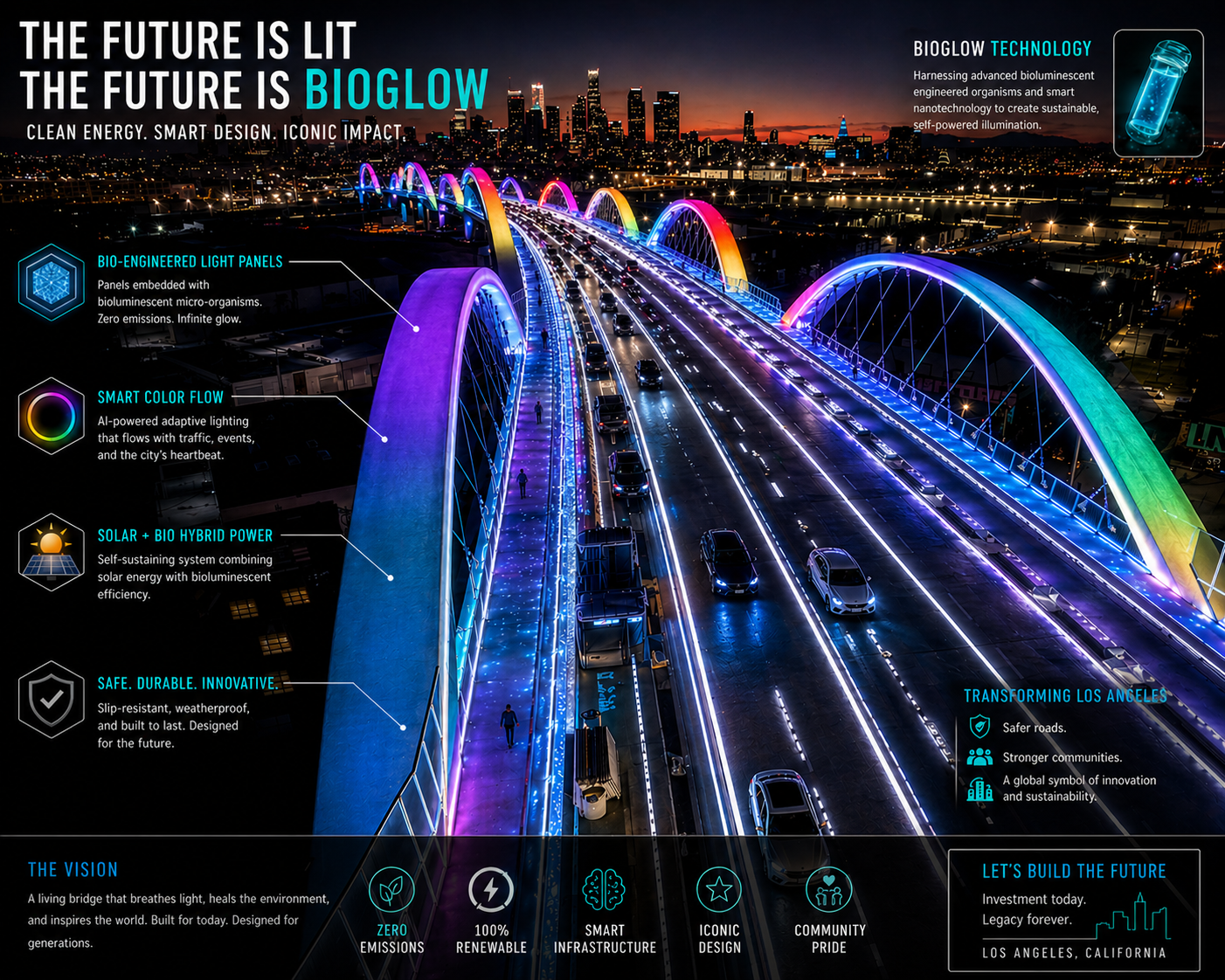
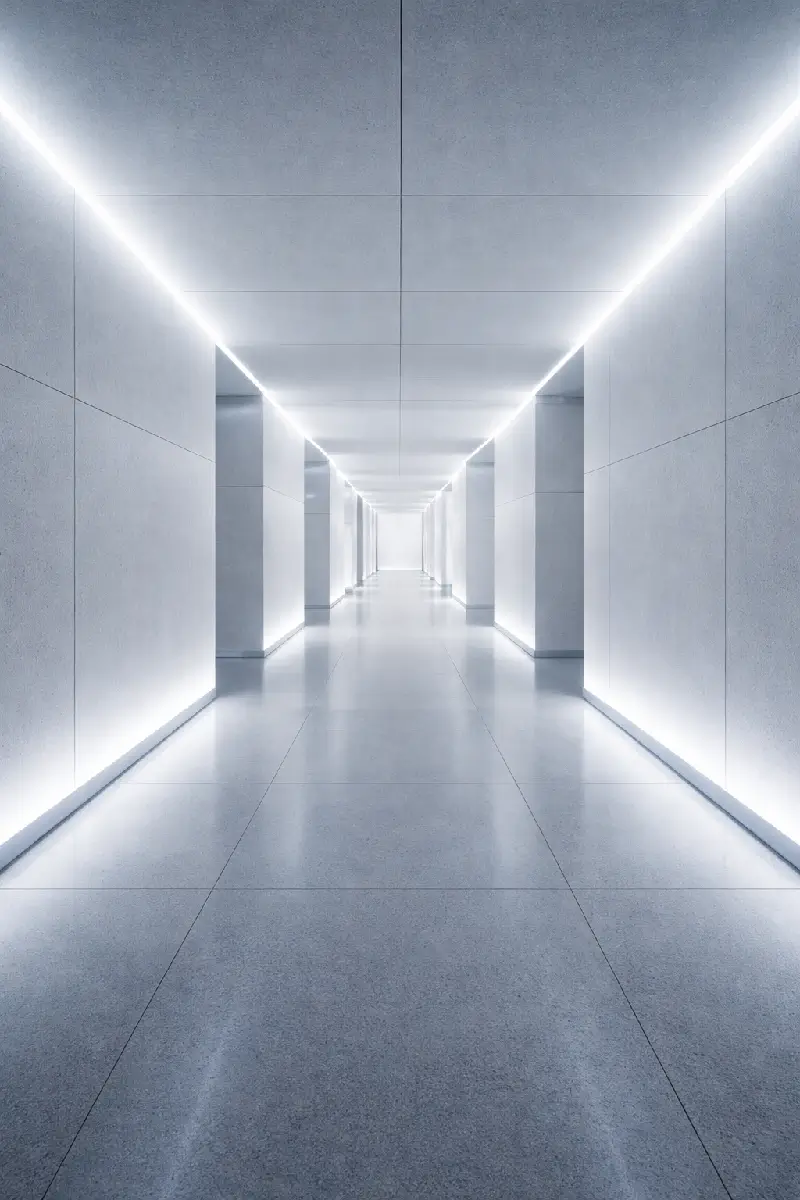
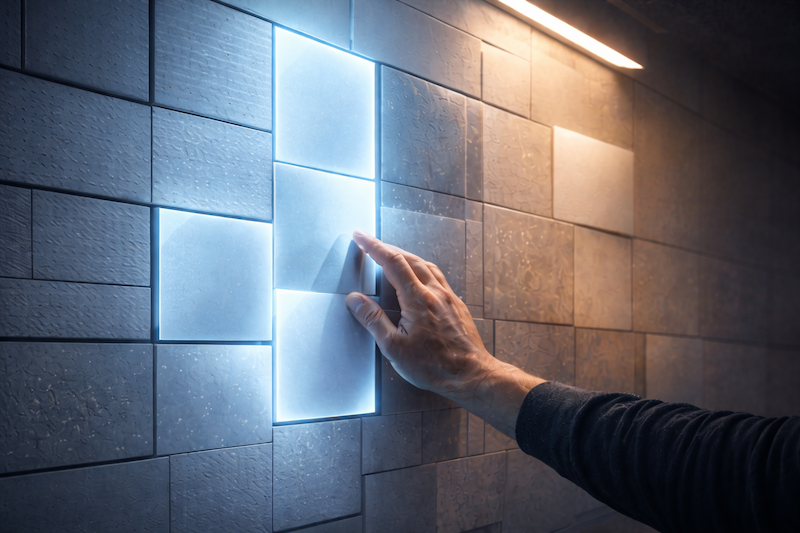
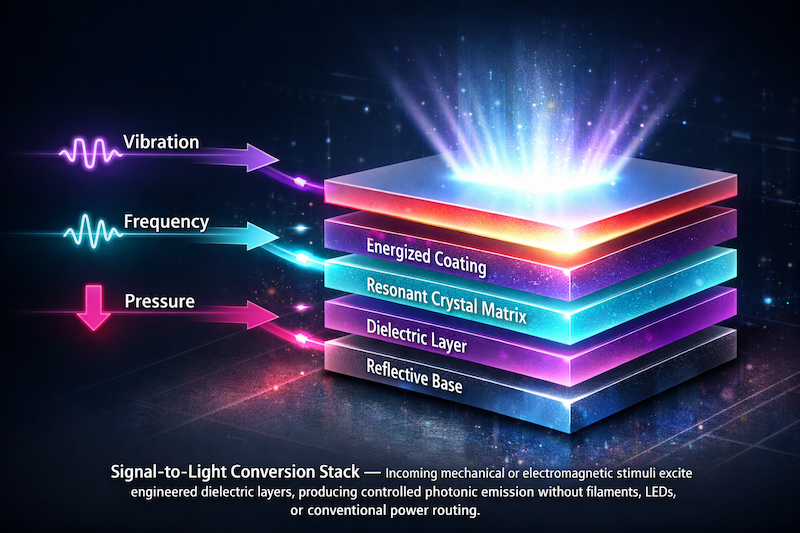
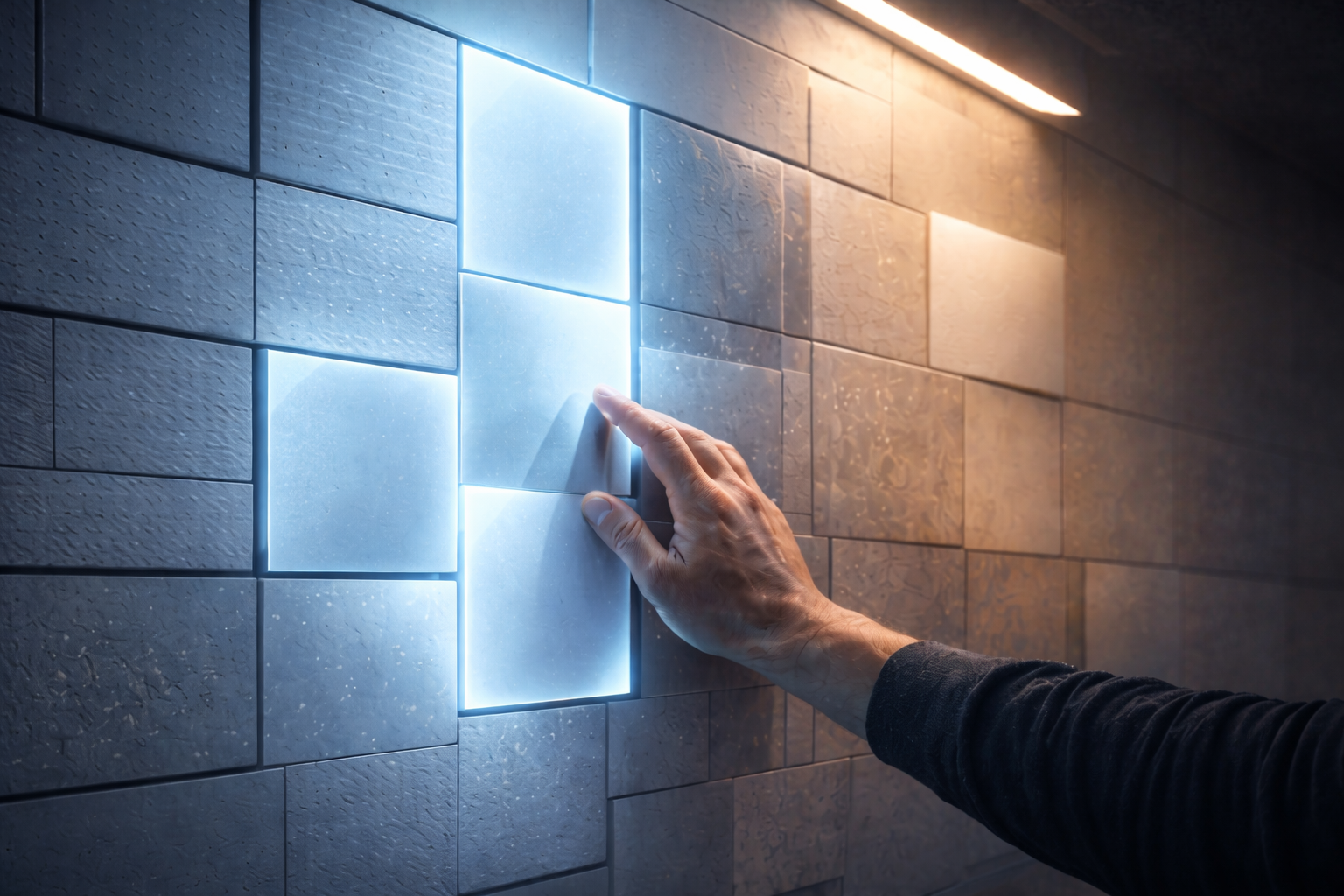
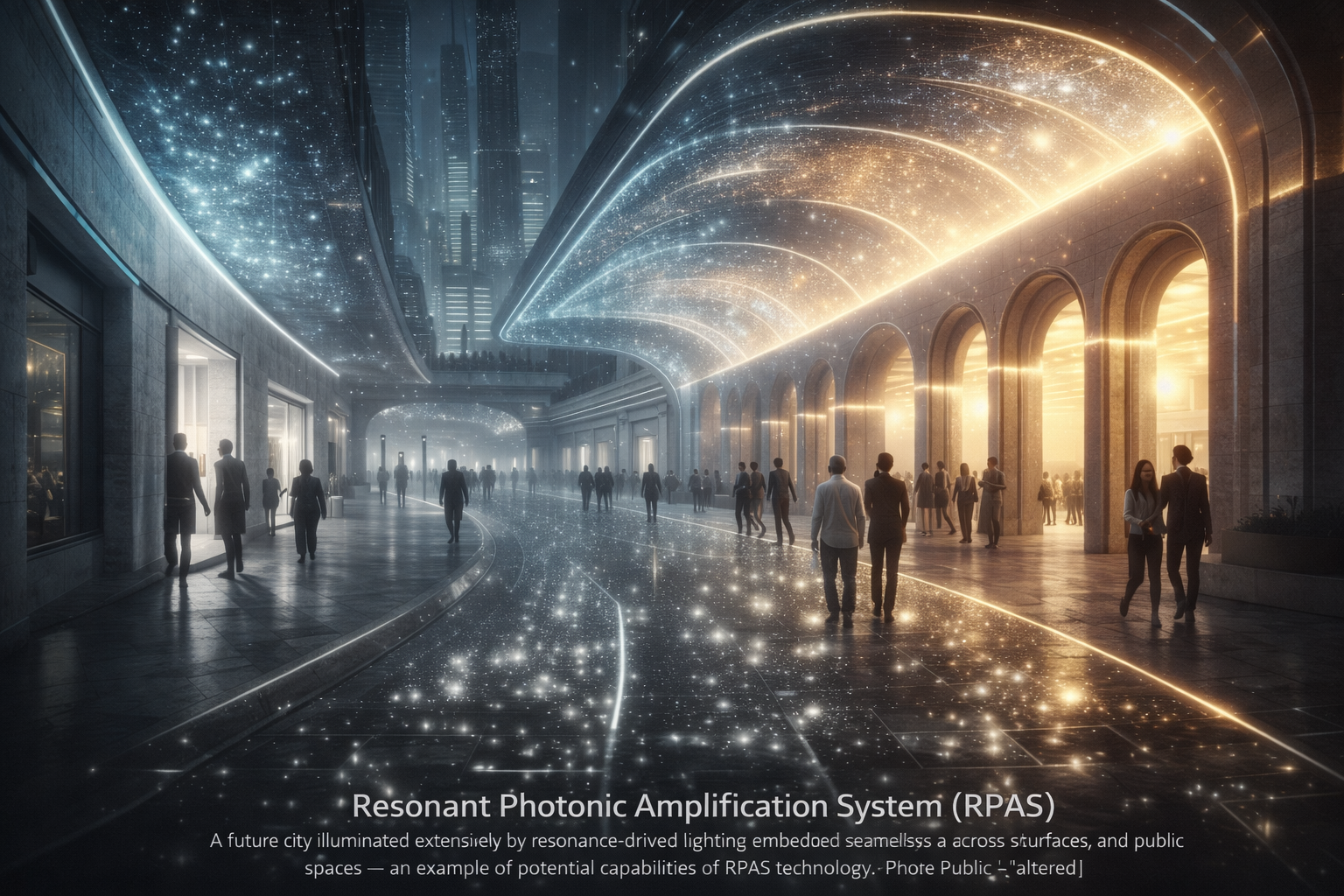
The BioGlow™ system is an illumination technology that generates visible light directly from architectural surfaces without the use of traditional bulbs, LEDs, or filaments. At its core, the project utilizes Photonic-Acoustic Activation Layers (PAAL). This architecture integrates a dielectric excitation substrate with a frequency-coupled conductive mesh to establish controlled electromagnetic oscillation within the material itself.
Traditional LEDs rely on thermal resistance, wasting energy as heat. BioGlow bypasses this by using Resonant Dielectric Excitation. By applying synchronized acoustic modulation through micro-transducer arrays, the system induces lattice vibrations in doped crystalline microstructures. The resulting light is a cold, high-efficiency emission that emerges directly from the material's molecular stack when "tuned" to the correct frequency.
The Serialized Frequency Nodes
Precision is maintained via modular serialized frequency nodes. These hardware components act as the bridge between the digital signal controller and the emissive PAAL surface. Designed for high-density integration, these nodes allow for seamless installation into architectural frameworks, vehicle hulls, and wearable biometrics, enabling distributed illumination without visible fixtures.
This novel process is currently the subject of the BioGlow Patent. The legal defense and technical documentation prioritize the protection of this resonance-driven activation method, ensuring that the Halocyberlife ecosystem remains the primary developer of frequency-driven photonic light.